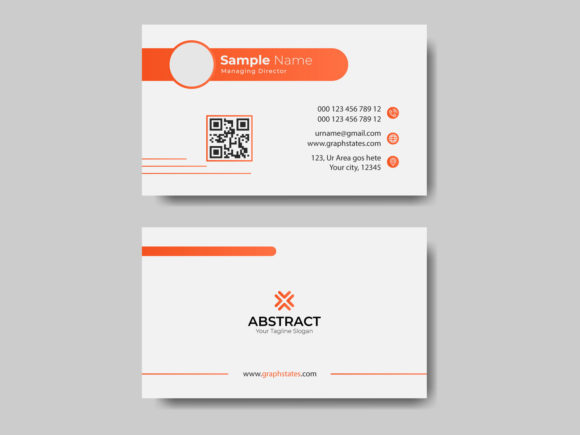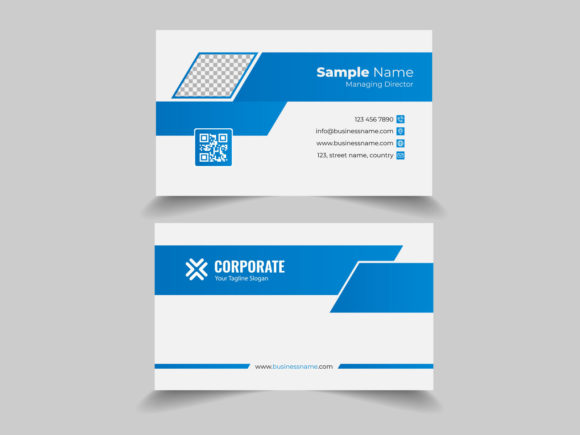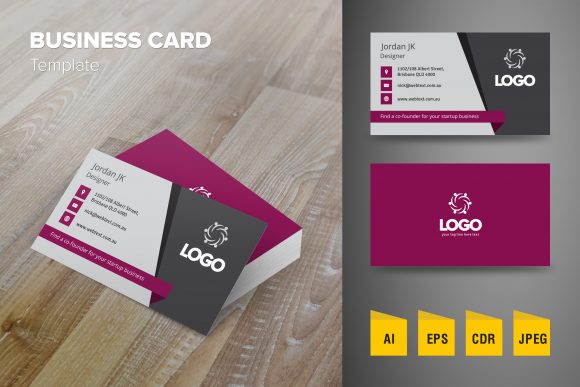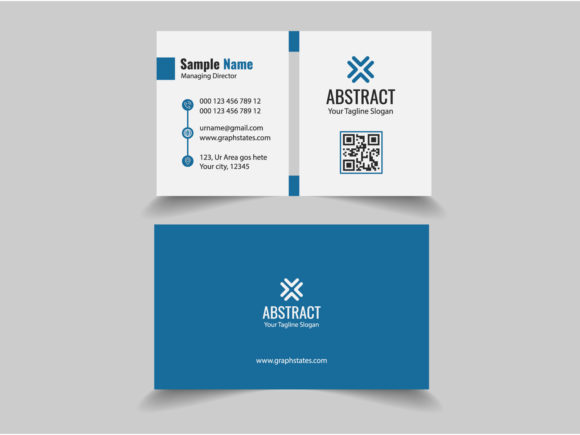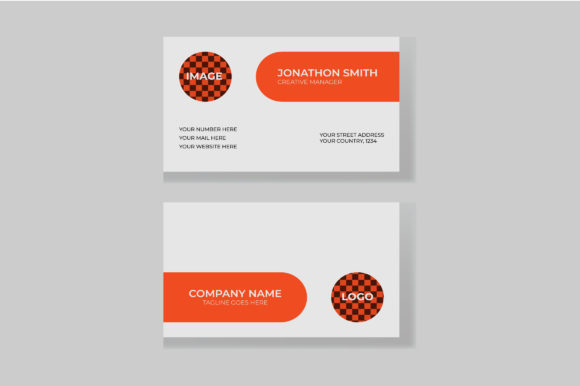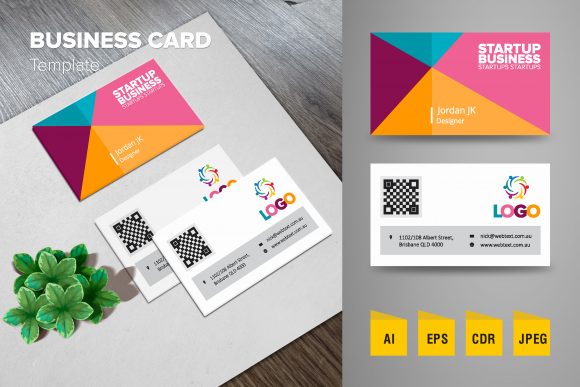
Elegant Business Card Design Template
For professionals looking to make a lasting impression, an elegant business card design template is more than just a piece of paper—it's a powerful tool for personal branding. Whether you're an entrepreneur, freelancer, or small business owner, the right design can elevate your professional image and set you apart from the competition. A well-crafted business card not only communicates your contact information but also reflects your values, style, and attention to detail.
Why Choose an Elegant Business Card Design Template?
An elegant business card design template offers a clean, modern look that appeals to a wide range of industries. These templates are designed with professionalism in mind, ensuring that your card looks polished and refined. They often feature minimalist layouts, subtle typography, and high-quality graphics that convey sophistication without overwhelming the viewer.
One of the key advantages of using an elegant business card design template is its versatility. It can be customized to fit your brand identity, whether you're promoting a tech startup, a creative agency, or a consulting service. With the right template, you can easily adjust colors, fonts, and layout elements to match your personal or company style.
Common Mistakes When Choosing a Business Card Template
While many people focus on the visual appeal of a business card, they often overlook critical details that affect usability and effectiveness. One common mistake is selecting a template that doesn't match the intended use. For example, a highly decorative design might look impressive on a website but could be difficult to read in print or when viewed quickly in a crowded networking event.
Another frequent oversight is ignoring the technical specifications required for printing. Many users assume that any design will work, but failing to meet the correct size, resolution, and color mode can lead to poor print quality. For instance, a business card template that isn't set to 3.5” × 2” or 300 DPI resolution may appear blurry or distorted when printed, which can damage your professional image.
Understanding the Features of a Professional Template
A professional business card design template typically includes essential features such as the correct dimensions, high-resolution settings, and CMYK color mode for accurate printing. These elements ensure that your final product looks sharp and consistent across different media. Additionally, fully editable vector graphics allow for easy customization in software like Adobe Illustrator or CorelDraw, giving you control over every detail.
Many templates also come with instruction files that guide users through the editing process. This is especially helpful for beginners who may not be familiar with design software. However, it's important to take the time to understand these instructions before making changes, as even small adjustments can impact the overall appearance of the card.
What to Check Before Using a Business Card Template
Before downloading or purchasing a business card template, it's crucial to verify that it meets your specific needs. Start by checking the file formats included—such as AI, EPS, or CMX—since some programs may not support all types. You should also confirm that the template is compatible with the software you plan to use, as compatibility issues can cause frustration and delays.
Another important consideration is the level of customization offered. While some templates may provide limited options, others allow for full control over text, colors, and layout. If you're unsure about your design skills, look for templates that include pre-set color schemes or font combinations that are visually appealing and easy to modify.
How to Avoid Common Pitfalls
To avoid mistakes when working with a business card template, start by planning your design in advance. Think about the key information you want to include—such as your name, title, contact details, and logo—and how it will fit on the card. A cluttered layout can make your card hard to read, so prioritize clarity and simplicity.
Testing your design before printing is another smart move. Many templates offer mock-up previews, but if they aren't included, consider using a digital proofing tool or printing a sample to check the quality. This step can help you catch errors early and save time and money in the long run.
Best Practices for Customizing Your Business Card
When customizing your business card, start with the basics: choose a font that's easy to read and matches your brand's tone. Avoid overly ornate typefaces that may be difficult to decipher at a glance. Similarly, select colors that align with your brand identity while ensuring sufficient contrast for readability.
Adding a logo or icon can enhance your card's visual appeal, but make sure it's positioned appropriately and doesn't overwhelm the rest of the design. Remember, less is often more when it comes to business cards—every element should serve a purpose and contribute to a cohesive look.
Final Thoughts on Business Card Design
An elegant business card design template is a valuable asset for anyone looking to create a strong professional presence. By understanding the features, avoiding common mistakes, and following best practices, you can ensure that your card not only looks great but also functions effectively. Whether you're a seasoned designer or a first-time user, taking the time to evaluate and customize your template can make a significant difference in how you're perceived by clients, colleagues, and potential customers.